The Birthday Gift
My sister’s voice reached me before I saw her.
“I’m taking the upstairs room,” she called from the hallway. “The light in there is amazing.”
I stopped in the middle of my own foyer.
For six hours, the house had been mine.
Not metaphorically. Not “mine” in the way families sometimes use the word to mean shared history or inherited affection. Mine in the legal, ordinary sense. My name was on the deed. The keys were in my pocket. The county records had already been updated.
And now my sister was choosing a bedroom as if the decision had been made months ago.
My grandmother had given me the house that morning.
She lived twenty minutes away, in a smaller house overlooking a marsh that turned silver whenever the wind moved across it. She had invited me over for tea before breakfast, which was unusual enough that I knew something was coming.
We sat on her back porch beneath a faded striped awning while gulls cried somewhere beyond the reeds.
Then she slid a cream-colored envelope across the table.
“Open it.”
Inside was a deed.
I read my name twice.
The house on Bluff Drive had belonged to my great-grandparents, then my grandparents. Everyone in our family had a story about it. Thanksgiving dinners. Christmas mornings. Summers when the porch stayed warm long after sunset.
It had also been appraised at $4.8 million.
I looked up at her, certain I had misunderstood.
“Grandma, this is…”
“I know what it is.”
“You’re giving me the house?”
“I am.”
“Why?”
She wrapped both hands around her mug.
“Because I’ve watched what happens when people confuse being entitled to something with being responsible for it.”
She told me she had made the decision months earlier. Not because I was the oldest grandchild, or the most obedient, or the person she expected to carry on some family tradition.
Because she had watched me work.
After my grandfather died two years earlier, he had left me $60,000 with a note encouraging me to build something of my own. I had treated the money carefully until my parents convinced me to lend $40,000 of it to Claire for a business she wanted to start.
They called it a family investment.
Claire called it her future.
The business lasted four months.
When I asked about the money later, my mother told me not to be cold.
My father told me family members were supposed to support one another.
My grandmother knew exactly how that had felt.
“You called me afterward,” she said. “Do you remember?”
“I remember.”
“You didn’t ask me for the money.”
“No.”
“You called because you were ashamed that you were angry.”
I looked down at the envelope.
“That mattered to me.”
The house, she said, was not payment for being the good granddaughter.
“It belongs to you because I believe you understand what it means to care for something that is yours.”
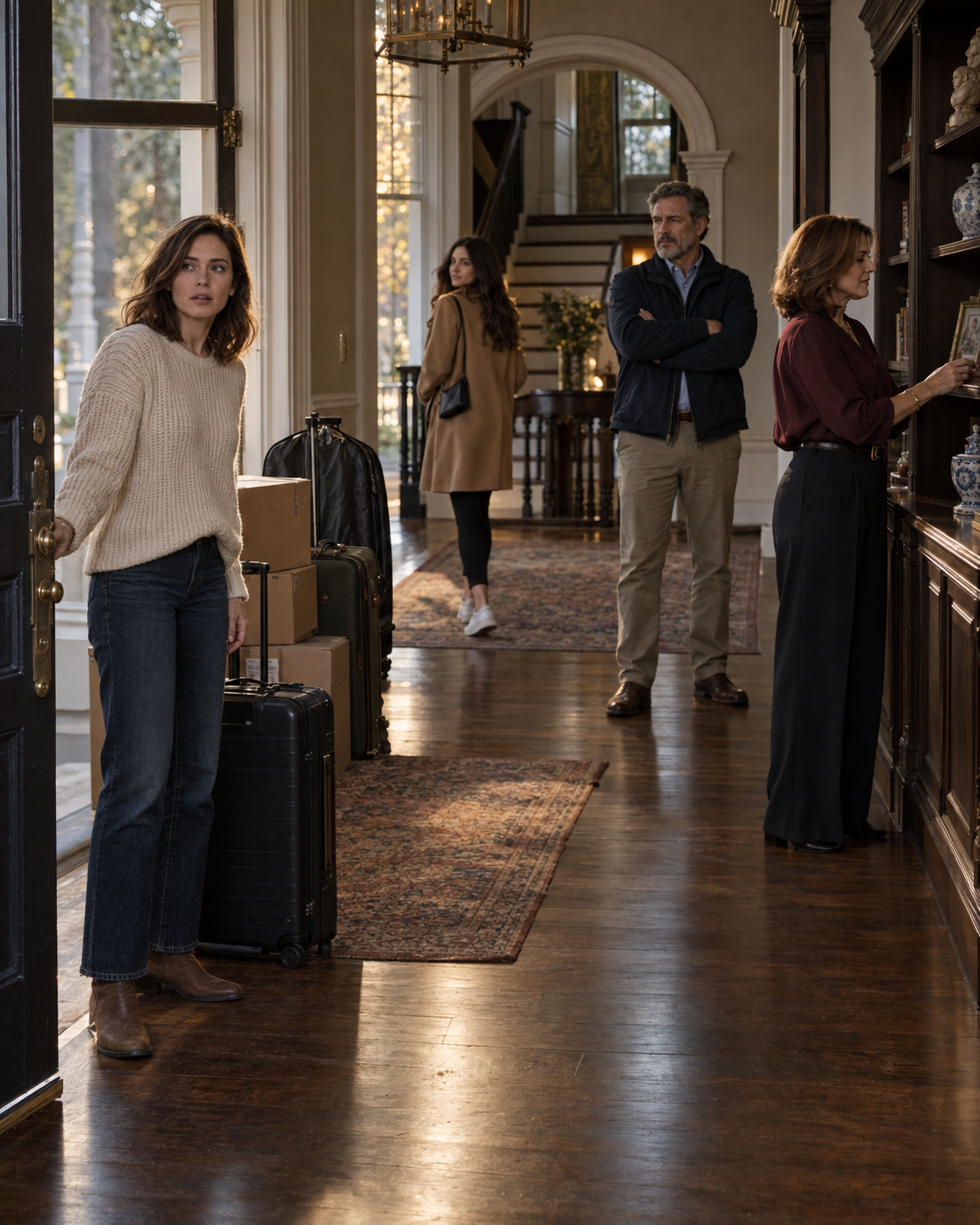
Six hours later, my family arrived with luggage.
The Boxes in the Foyer
My mother kissed my cheek as she walked past me.
“Happy birthday, sweetheart.”
I stared at the suitcases.
“What are those?”
My father put a hand on my shoulder.
“We’ve been talking as a family.”
That sentence had never once meant anything good.
He gestured around the house.
“It’s too much for you to manage by yourself. Claire’s commute is miserable from her apartment, and with school and everything else, it makes sense for her to stay here.”
Claire was already halfway upstairs.
“I’ll take the master,” she called.
I looked at my father.
“You’re joking.”
He frowned.
“Don’t make this difficult.”
“This is my house.”
“Of course it is.”
“Then why are there moving boxes in my foyer?”
My mother sighed, the way she always did when she thought I was being unreasonable.
“Madison, nobody is taking anything from you.”
“That’s exactly what it feels like.”
“Family doesn’t keep score over a roof.”
I almost laughed.
Keeping score was precisely what my family had been doing for years. They simply kept the score in a notebook I wasn’t allowed to see.
Claire came back downstairs carrying a pillow she must have taken from the upstairs bedroom.
“I like that room,” she said.
“No.”
She blinked.
“What?”
“You’re not moving in.”
My mother stared at me.
“Why are you being like this?”
“Because it’s my house.”
My father’s jaw tightened.
“She needs stability.”
“She needs an apartment.”
“She’s your sister.”
“I know who she is.”
That landed harder than I expected.
Claire disappeared back toward the staircase.
My mother lowered her voice.
“You have more than enough space.”
“I don’t owe anyone a bedroom.”
“You owe your family something.”
I looked from her to my father.
“I already paid for family.”
Neither of them spoke.
I could hear the refrigerator humming in the kitchen.
“The forty thousand dollars?” I said. “The money Grandpa left me?”
My father’s face hardened.
“That was two years ago.”
“And it’s still gone.”
“Your sister tried.”
“She spent it.”
“You’re making this ugly.”
“No. I’m finally saying it out loud.”
My mother crossed her arms.
“You’ve always had this attitude. You work hard, keep to yourself, and then act like that makes you better than everyone.”
“It doesn’t make me better.”
“You think it does.”
“I think it makes me tired.”
Her expression changed.
The warmth vanished.
For years I’d mistaken that look for disappointment. That night I finally understood it as something colder.
“Your sister has gifts,” she said. “Some people need more support than others.”
“Then support her.”
“We are.”
“Not with my house.”
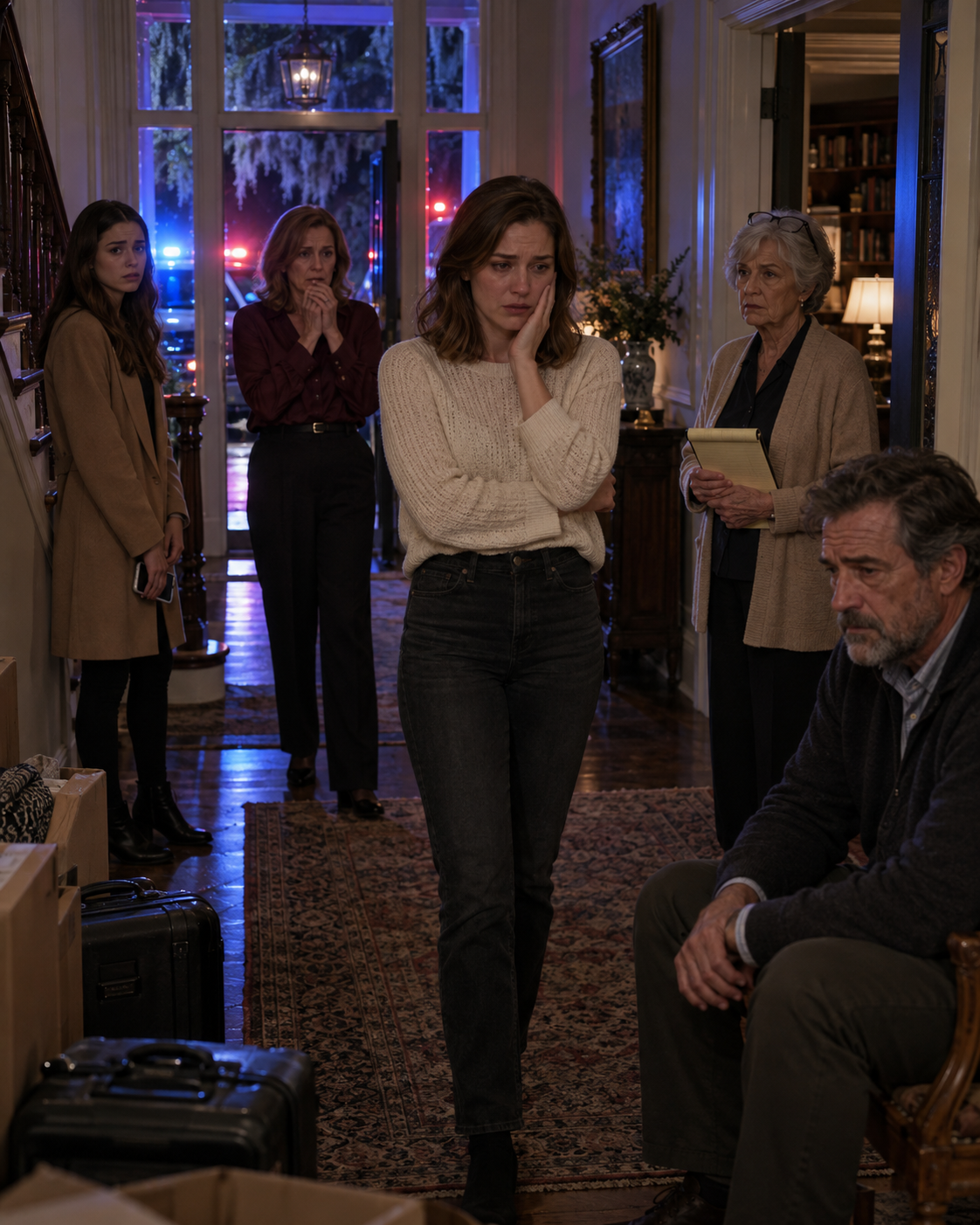
The slap came so quickly that my brain didn’t understand it until the sound echoed off the plaster walls.
I stood still.
My cheek burned.
My father looked at the floor.
My mother was breathing hard.
For one strange second, nobody moved.
Then she pointed toward the front door.
“Get out.”
I stared at her.
“You get out,” I said.
She shook her head.
“This belongs to the family now.”
A quiet voice answered from the study.
“No, it does not.”
What My Grandmother Heard
My grandmother stepped into the hallway carrying a legal pad.
She had apparently been in the study the entire time.
My mother went pale.
“Mom?”
“I told Madison this morning I would be using the study.”
Nobody answered.
My grandmother looked first at me.
Then at my cheek.
Then at the boxes.
Finally, she looked at her daughter.
“What happened?”
My mother started talking immediately.
“It was a misunderstanding.”
My grandmother lifted one hand.
She had been a family court judge for more than twenty years. She knew how to stop a room without raising her voice.
“I heard what was said.”
The quiet that followed felt different from the earlier silence.
My grandmother wasn’t angry in the way my mother was angry.
She was calm.
That was worse.
She looked at my father.
“You brought them here.”
He didn’t answer.
She looked at Claire.
Claire stood on the stairs with her phone hanging loosely at her side.
“Were you told she would agree to this?”
Claire swallowed.
“I thought…”
“That wasn’t my question.”
Claire looked at the floor.
“No.”
My grandmother nodded.
Then she turned to my mother.
“You entered your daughter’s property without permission.”
My mother scoffed.
“She is our daughter.”
“That is not a legal exception.”
“Mom, this is a private family matter.”
My grandmother’s expression barely changed.
“Family relationships don’t erase boundaries.”
She placed the legal pad on the console.
“I want everyone to understand something.”
Nobody interrupted her.
“The house was transferred this morning. Madison is the sole owner. I arranged the transfer with counsel. There is no family trust, no shared title, no informal arrangement.”
My mother stared at her.
“You actually planned this?”
“I planned to protect my granddaughter.”
“You’re choosing her over your own daughter?”
My grandmother’s eyes stayed on hers.
“This isn’t about choosing.”
She glanced at me.
“It is about refusing to make one person responsible for everyone else’s choices.”
My mother started shaking her head.
“You wouldn’t call the police on your daughter.”
My grandmother reached into the pocket of her cardigan and took out her phone.
“I already did.”
Nobody moved.
She explained that she’d contacted her attorney when she heard the threats begin. The home security system, recently installed before the transfer, had recorded everything from the moment my family entered.
My mother turned toward the small camera mounted near the bookshelves.
For the first time since they arrived, she looked frightened.
The front windows filled with pulsing blue and red light a few minutes later.
The First Time Nobody Rescued Us
The officers were professional and quiet.
One reviewed the footage.
Another took notes.
My grandmother answered every question with precise, unemotional facts.
My father sat in a chair as though he’d suddenly become too exhausted to stand.
My mother kept repeating that the whole thing had gotten out of hand.
Then one of the officers looked at me.
“Do you want to file a complaint?”
I looked at my mother.
She looked back at me.
Her face had lost the certainty I’d seen there my entire childhood.
I realized then what she had expected from me all those years.
Not forgiveness.
Absorption.
She expected me to take the blow, swallow the anger, loan the money, give up the room, smooth over the argument, apologize first, and keep the family looking intact from the outside.
She had never called that sacrifice.
She called it love.
“Yes,” I said.
My voice sounded almost unfamiliar.
“Yes, I do.”
My father closed his eyes.
My sister stepped forward.
“I wasn’t part of this.”
Everyone turned to her.
Claire rushed on.
“I told them this was a bad idea. I didn’t tell them to hit Madison. I didn’t even want to come.”
My mother stared at her daughter.
“You came with us.”
Claire said nothing.
The officer took her statement separately.
I watched her carefully shape the story until there was almost no room left in it for anyone but herself.
And somehow, that hurt less than I expected.
For years, I had thought of Claire as the person everyone protected.
That night, I understood she had learned how to survive by letting other people pay the price.
My parents left in separate cars.
My sister was questioned and released.
The boxes remained in the foyer.
So did the garment bag.
Nobody took them.
After the house emptied, I stood beside the front window and watched the patrol lights disappear down the street.
My cheek still hurt.
My grandmother came into the kitchen.
“Tea?”
I nodded.
We sat at the same table where she’d given me the deed that morning.
The same marsh stretched beyond the porch.
The same house surrounded us.
Only I was different.
“Was it hard?” I asked.
“What?”
“Calling them.”
She stared into her mug.
“Yes.”
That surprised me.
She continued before I could say anything.
“I protected your mother from consequences for years.”
I looked at her.
“I told myself it was kindness.”
She ran one finger around the rim of her cup.
“It wasn’t.”
The kitchen was quiet.
“Sometimes,” she said, “protecting someone from consequences only teaches them that consequences belong to somebody else.”
I thought about my grandfather’s $40,000.
About Claire’s vanished business.
About every family argument I’d left with an apology I didn’t owe.
My grandmother looked at me.
“You shouldn’t have had to become this strong.”
I smiled faintly.
“But I did.”
“Yes.”
She reached across the table and squeezed my hand.
The House Afterward
The legal process took months.
There were hearings, paperwork, fees, required counseling, and conversations I never imagined having about my own parents.
My mother was charged with misdemeanor domestic assault and trespass. My father was charged with trespass. The security footage left very little room for interpretation.
Their lives changed in smaller ways, too.
My father’s business lost a contract after a background review.
My mother’s social world narrowed.
Claire had to find her own place.
For the first time, nobody came running to make her life easier.
I heard pieces of the aftermath through relatives who seemed disappointed that I wasn’t interested in discussing it.
I wasn’t.
The strange thing was that I didn’t feel triumphant.
I didn’t feel vindicated.
Mostly, I felt quiet.
The house became quiet too.
I learned the sounds of it: the old pipes knocking before dawn, rain against the porch roof, the soft mechanical click of the air conditioner coming on at night.
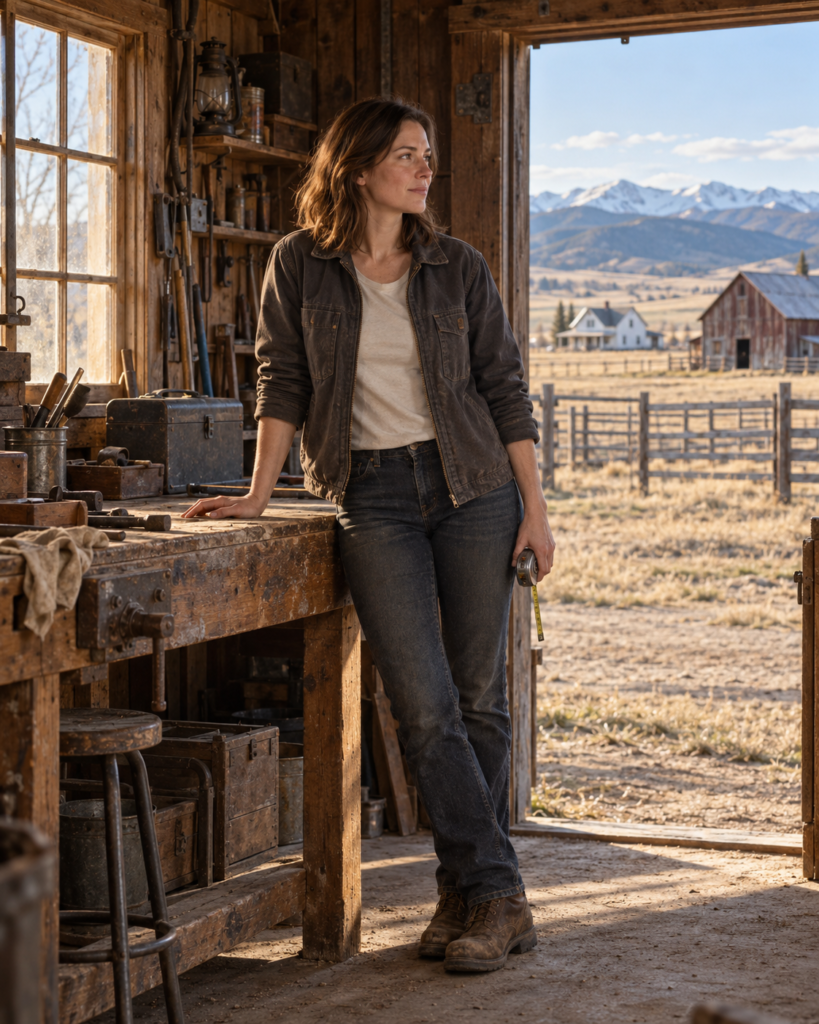
I painted the guest room.
I repaired a stubborn window in the upstairs hallway.
I kept the old mahogany shelves exactly as they were.
Three years after the birthday that changed everything, I opened a small investment advisory practice from the study.
My grandmother became what she jokingly called my “silent partner.”
She met my first clients.
She asked sharp questions.
She once told one of them, within five minutes of meeting him, “You don’t actually want to sell this company. You want somebody to tell you it’s okay to keep it.”
He stared at her.
Then he laughed.
She smiled.
“See?” she told me afterward. “Historical perspective.”
On another afternoon, I found an old photograph in one of the study cabinets.
My grandfather stood beneath the live oak, younger than I’d ever known him, with his arm around my grandmother.
On the back, he’d written the date and nothing else.
I put it in a frame.
I didn’t frame the deed.
That surprised me.
For a while I’d thought ownership would be proven by paper.
It wasn’t.
It was the first morning I woke up in that house without wondering who might decide they deserved a piece of it.
It was making coffee and hearing only the birds outside.
It was locking the front door because I wanted privacy, not because I was afraid someone would walk through it.
It was discovering that peace could be ordinary.
One November morning, three years after the night my mother hit me, I sat on the porch with a mug warming both hands.
The marsh was silver in the early light.
The live oak moved gently in the wind.
Across the road, somebody was walking a dog.
A school bus turned at the corner.
A neighbor waved.
I waved back.
Nothing dramatic happened.
No one arrived with boxes.
No one told me what family required.
No one asked what I could give away.
I looked around at the porch boards, the old windows, the garden beginning to wake in the cool morning air.
For the first time, I understood what my grandmother had really given me.
It wasn’t a house.
It was a place where I no longer had to disappear to keep everyone else comfortable.
And as the light reached across the porch, I took a sip of coffee and realized there was nothing left to defend.